
The Impact of the Trump Administration on Global Dynamics: Ukraine at the Heart of Global Shifts.
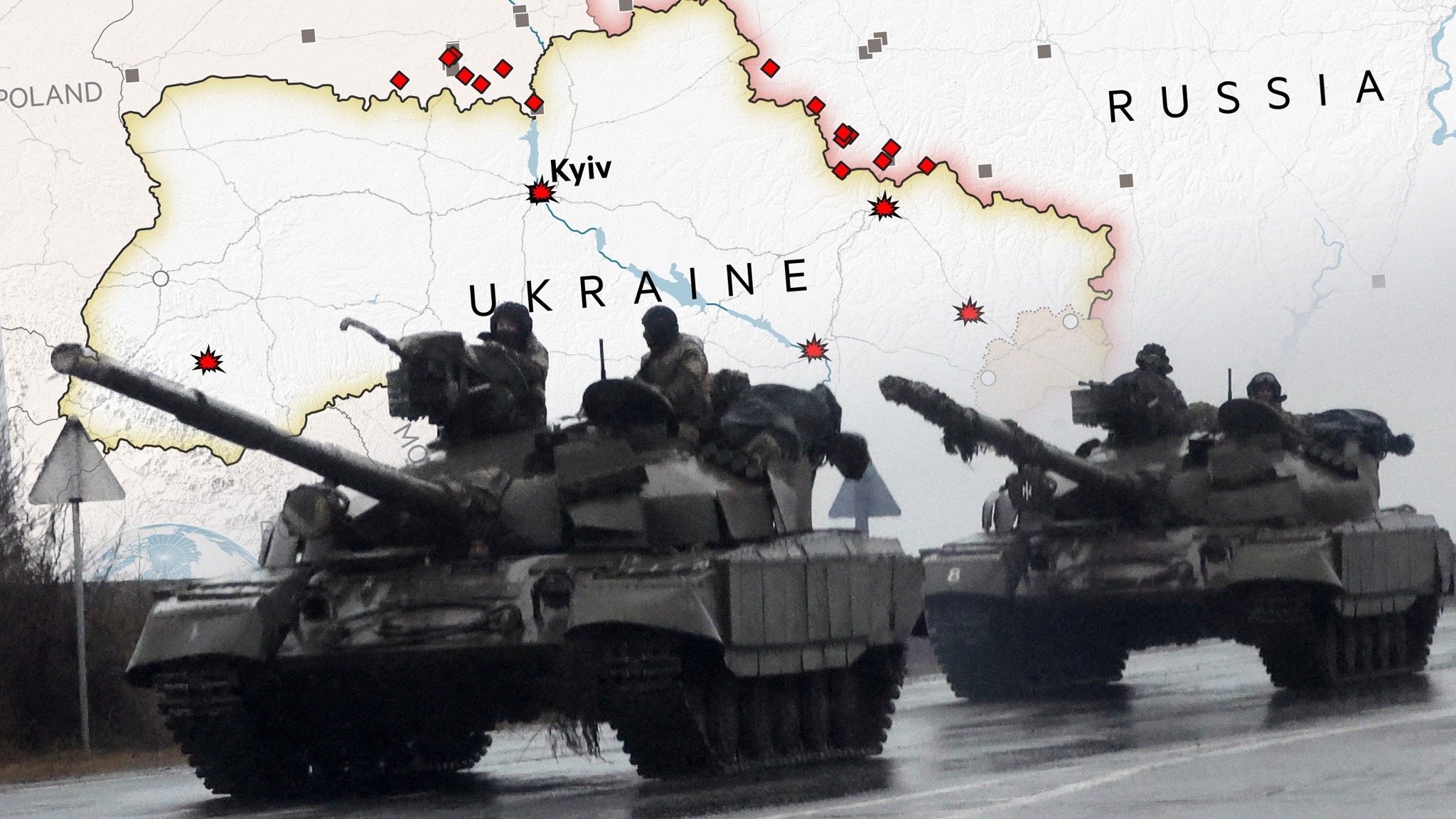
The Trump administration has introduced significant instability and shifts in global political, economic, and social dynamics. Among these developments, the administration’s stance on the war in Ukraine has drawn particular attention. Recent negotiations between President Trump and Ukrainian President Volodymyr Zelensky over Ukraine’s valuable resources ended in disagreement last Friday, marking a turning point that has unsettled European and British observers.
Diplomatic dispute and Protests in the UK
Last week, British Prime Minister Sir Keir Starmer visited Washington, where he met with President Trump and extended an invitation from King Charles III for a state visit to Britain. While Trump accepted the invitation, the fallout from his contentious meeting with Zelensky has sparked widespread protests in the UK. Reports indicate that over 70,000 people have signed an online petition to cancel Trump’s visit, accusing him of denying support to Ukraine and aligning with Russian President Vladimir Putin.
In response to these tensions, Prime Minister Starmer reassured Zelensky of the UK’s unwavering support. During their meeting, the two leaders signed a £2.2 billion loan agreement for Ukraine’s military supplies, as reported by the BBC. Zelensky expressed gratitude, calling the UK a “true friend.”
Diverging U.S. and European Positions
The United States’ position on the Ukraine war diverges sharply from that of its European allies. While Russia has praised Trump’s approach as a “good start” toward ending the war in Ukraine, European nations, including Germany, have voiced concerns over the potential withdrawal of U.S. security guarantees. German Chancellor Friedrich Merz criticized Trump as an unreliable security partner, and political analysts have warned that Europe may need to bolster its nuclear arsenal to counter potential threats from Russia.
Dr. Maximilian Terhalle, a visiting fellow at Stanford University’s Hoover Institution, highlighted the disparity in missile capabilities, noting that Russia possesses 1,500 long-range missiles compared to Europe’s limited stockpile. The prospect of diminished U.S. support has prompted European leaders to explore independent defense strategies. According to The Telegraph, France is considering deploying nuclear-armed fighter jets to Germany as a deterrent, reaffirming its nuclear doctrine.
Russia’s Response and Escalating Tensions
Russia has welcomed Trump’s decision to suspend military aid to Ukraine, criticizing European nations, including the UK, for their continued support of Zelensky. Russian Foreign Minister Sergey Lavrov labeled European countries “war fanatics” and called for a U.S.-Russia relationship based on mutual interests and non-confrontation. Lavrov also condemned European plans to deploy peacekeepers to Ukraine, asserting that such actions would escalate tensions.
Broader Implications for Global Alliances
The Trump administration’s trade policies have further strained international relations. Following disputes with China, the U.S. has imposed increased tariffs on Canada and Mexico, raising concerns among Western allies. As the world grapples with these uncertainties, questions remain about the future of global alliances and the potential for a new era of geopolitical conflict.
Leave a Reply
You must be logged in to post a comment.