
Eradication of Tigray: Drone Strikes, Ongoing Genocide, and the World’s Silence
By Justice for the voiceless,
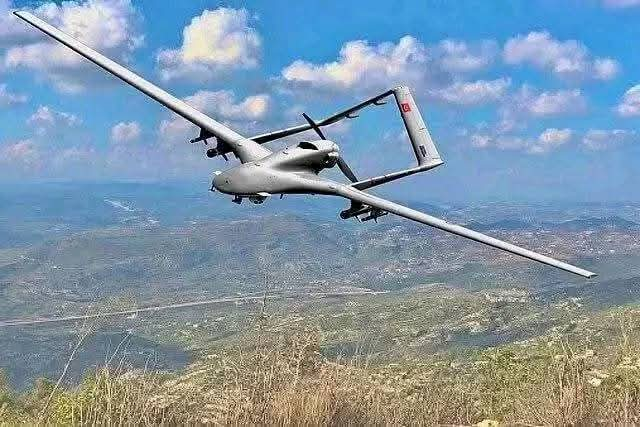
On January 31, 2026, drone strikes targeted civilian trucks in Tigray transporting essential food commodities, bananas, cooking oil, and chili peppers. These trucks were non-military targets, operating in areas not considered combat zones. Yet, they were struck with lethal force, reflecting a systematic pattern of attacks against civilians in Tigray, Amhara, and Oromia over recent years.
These attacks are part of a broader strategy of eradicating Tigray and other oppressed communities, aimed at demonstrating power through terror. History shows, however, that violence against civilians destroys legitimacy, fuels resistance, and isolates leaders from the people they claim to govern.
Documented Civilian Deaths and Injuries from Drone Strikes
1. Tigray Region
• Peer-reviewed analysis of airstrikes, including drones, in Tigray found 1,143 casualties from 80 aerial bombardments, including 385 civilian deaths.
• Civilians killed were predominantly women, children, and the elderly in marketplaces, churches, hospitals, and IDP camps. (Martin Plaut, 2025)
2. Amhara Region
• 248 civilians killed and 55 injured in 18 drone strikes between August and December 2023, with schools, hospitals, and homes destroyed. (Gov.uk, 2025) • AAA documented 2,592 killed and 691 injured over more than 200 incidents involving drones and aerial strikes in Amhara and Oromia. (Amhara America, 2025) • Specific incident: 13 August 2023, Finote Selam, at least 30 civilians killed and 55 injured.
3. Oromia Region
• OHCHR reported 366 civilians killed in 2023, including drone and airstrike-related deaths. (The Reporter Ethiopia, 2023)
• Local advocacy groups recorded 278 civilian deaths during aerial attacks in Oromia in 2022. (OLLAA, 2023)
Overall Pattern
• Thousands of civilians have been killed or injured by drones and aerial attacks, with marketplaces, buses, hospitals, and food trucks repeatedly struck. (ACLED, 2025) • Drones disproportionately target civilian areas and non-military objects, resulting in mass suffering, displacement, and disruption of food security.
International Law on Protection of Civilians
The repeated targeting of civilians violates binding international law:
1. Principle of Distinction
• Parties must distinguish between combatants and civilians; civilian objects must never be attacked. (ICRC)
2. Principle of Proportionality
• Attacks causing excessive civilian harm relative to military advantage are prohibited. (ICRC, 2024)
3. Prohibition on Starvation
• Attacks on food supplies or objects indispensable for civilian survival are prohibited. Targeting trucks carrying bananas, cooking oil, and chili peppers violates IHL and could constitute war crimes. (UN Security Council Resolution 2417)
Why These Attacks Fail Politically and Strategically
• Violence against civilians does not create legitimacy; it alienates the population and fuels resistance.
• History shows that drone campaigns targeting civilians in conflicts fail to suppress opposition and strengthen the state.
• Civilian-targeted strikes increase rebellion, deepen distrust, and fracture social cohesion, accelerating the regime’s decline.
Ethiopia today faces structural collapse due to:
• economic deterioration,
• political repression,
• ethnic fragmentation,
• loss of trust internally and from neighboring countries.
No military strategy, including drone warfare, can repair these failures.
Moral and Legal Responsibilities of Powerful States
Powerful states, whether directly involved or acting as influential observers, have both legal obligations and moral duties:
1. Prevent Complicity
• Under international law, states must not support or enable violations of IHL.
• Failure to act against mass civilian targeting constitutes indirect complicity, exposing states to moral condemnation.
Leave a Reply
You must be logged in to post a comment.