
Tigray Education Bureau Warns of Looming Collapse Amid Funding Freeze
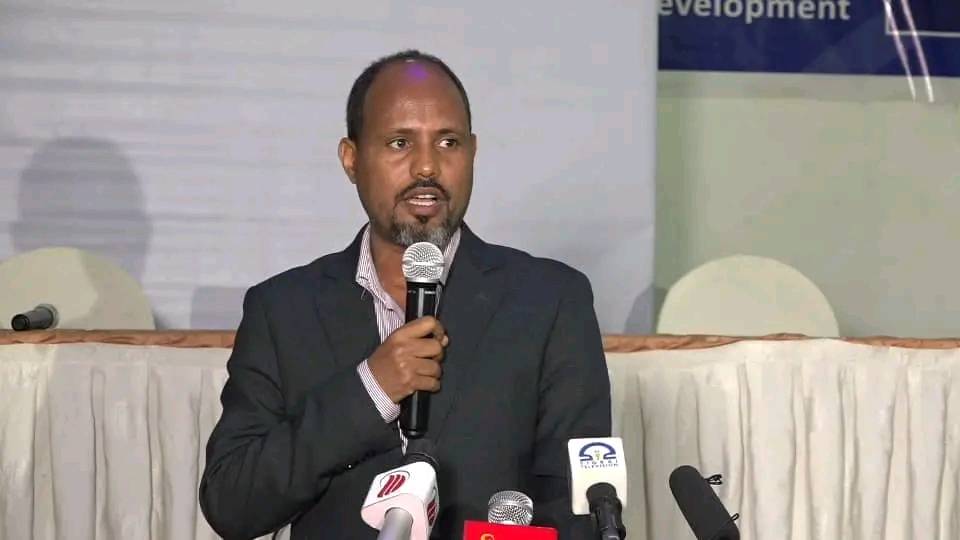
The Tigray Regional Education Bureau has issued a stark warning that the region’s education system is facing imminent collapse due to a severe funding crisis. In an urgent appeal, Dr. Kiros Guesh, head of the bureau, called on national and international partners to intervene as teachers go unpaid and schools risk shutting down.
According to the appeal, between 2020 and 2022, Tigray’s education sector endured unprecedented devastation. The war on Tigray, compounded by the COVID-19 pandemic, forced schools to close for more than three and a half years. Infrastructure was destroyed, thousands of teachers displaced, and students suffered deep learning losses and psychosocial trauma.
Since reopening, progress has been made thanks to international support and contributions from the Tigrayan diaspora. Schools have undergone partial reconstruction, teachers have been retrained, and learning materials distributed. “These efforts have restored hope and enabled many children in areas under the Tigray Interim Administration to resume learning,” Dr. Guesh noted.
Additionally, Dr. Guesh emphasized that Tigray’s fragile recovery is now at serious risk. During the war years (2020–2022), teachers went unpaid for 16 months, creating a heavy backlog of salaries. Instead of easing this burden, the Federal Government of Ethiopia has, since October 2025, withheld Tigray’s constitutionally allocated federal budget subsidy. This decision has prevented the region from addressing the war‑era debt and has left schools unable to pay current wages, compounding an already dire crisis.
“Our teachers have shown remarkable resilience during the war,” Dr. Guesh wrote. “But many are now unable to feed their families, pay rent, or afford basic medicine.” The bureau warns that this situation could lead to widespread school closures, undermining children’s fundamental right to education.
The appeal stresses that the funding freeze violates commitments under the United Nations Convention on the Rights of the Child and Sustainable Development Goal 4, which guarantees inclusive and equitable quality education. It also contradicts the Pretoria Peace Agreement of November 2022, which pledged to facilitate postwar recovery and service delivery.
Appeal for Urgent Action
Dr. Guesh outlined two immediate requests:
● Advocacy: Urging partners to press the federal government for the release of Tigray’s budget allocation, upholding constitutional equity and fiscal federalism.
U
● Emergency Financial Support: Providing bridging funds to cover teacher salaries, school operations, and essential learning resources to prevent closures.
The bureau pledged to provide detailed budgets, impact assessments, and progress reports to ensure accountability for any assistance received.
“Unfortunately, this hard-won progress is now at serious risk of reversal,” Dr. Guesh concluded. “We respectfully request urgent solidarity and support to prevent the collapse of Tigray’s education system.”
Leave a Reply
You must be logged in to post a comment.