
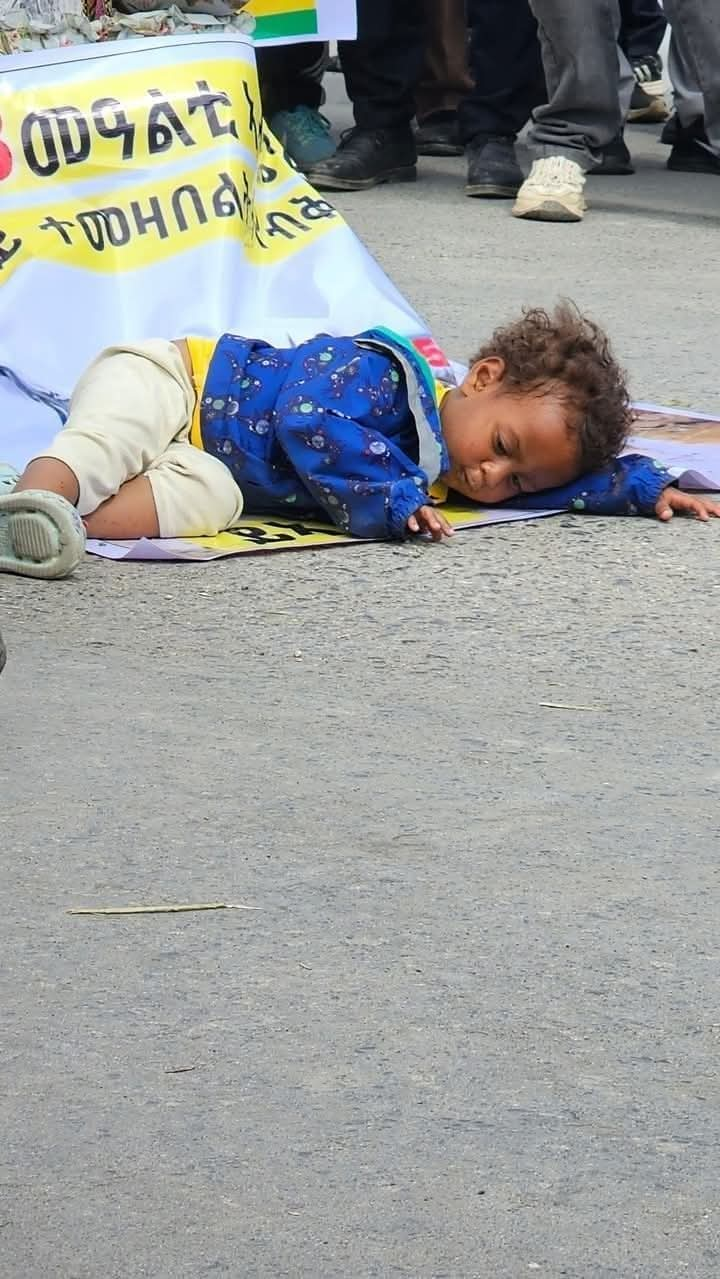
The suffering of displaced peoples from western Tigray continues without a solution.
Since the end of the genocidal war in Tigray, which resulted in the deaths of hundreds of thousands, more than one million people had been displaced within the region and across the border, with over 60,000 in war-torn Sudan.
Reports from the area indicate that refugees in camps such as Umrakuba, Tendba, and Hasheba, where a large number of Tigrayans reside, have been facing various challenges, including murder and kidnapping, following the outbreak of the civil war in Sudan.
A significant number of individuals were displaced from western Tigray, which had been seized by militants from the Amhara region during the genocidal war. The internally displaced persons (IDPs) are reportedly living in harsh conditions in temporary shelters in different parts of the Tigray region.
Throughout the region, including in in the capital Mekele, Adigrat, Aksum, Abi Adi, Shire, and other cities, IDPs have organized peaceful demonstrations at various times, calling for the federal government and the interim administration of the region to facilitate their return to their villages.”
Last year, the Deputy President of the Tigray Interim Administration, Lt. Gen. Tadesse Werede stated that the complex situation in West Tigray would be resolved and the work of returning the displaced people would be completed “by the end of June 2024.” Unfortunately, this commitment has not yet been fulfilled.
The chairman of West Tigray civil society, Ato Tsegay Tetmke, has voiced his concerns, stating that the displacement of citizens has been manipulated for political purposes on all sides. He condemned the leaders of the region, accusing them of “playing a political game at the expense of denying the people.”
Mr. Tsegay also highlighted that the issue extends beyond just the displaced persons, noting that the pressure is also on the local communities that have provided shelter. He emphasized the urgency of finding a permanent solution, as many people are currently living in schools and relying on community support for basic necessities such as medicine and food.
“Despair is the ultimate enemy of humanity. Many young people are driven to migrate out of frustration and hopelessness caused by the government’s deceitful actions,” says Mebrhi Birhane, the deputy director of the human rights organization First for Human Rights. The ongoing political conflict between the leaders of the TPLF is exacerbating the situation, leading to a lack of attention towards the grievances of displaced individuals.
Birhane highlights that the displaced people’s plight should not be used as a bargaining chip, rather, there needs to be a genuine effort to address their needs. He emphasizes that political will is crucial in resolving the issue.
Furthermore, the failure of the federal government to remove militants from certain areas and dismantle their organized administrations in western Tigray poses a serious security threat, hindering the safe return of evacuees. The deputy director urges both federal and state authorities to prioritize the repatriation of displaced individuals to their villages, in line with the Pretoria Agreement.
Leave a Reply
You must be logged in to post a comment.