
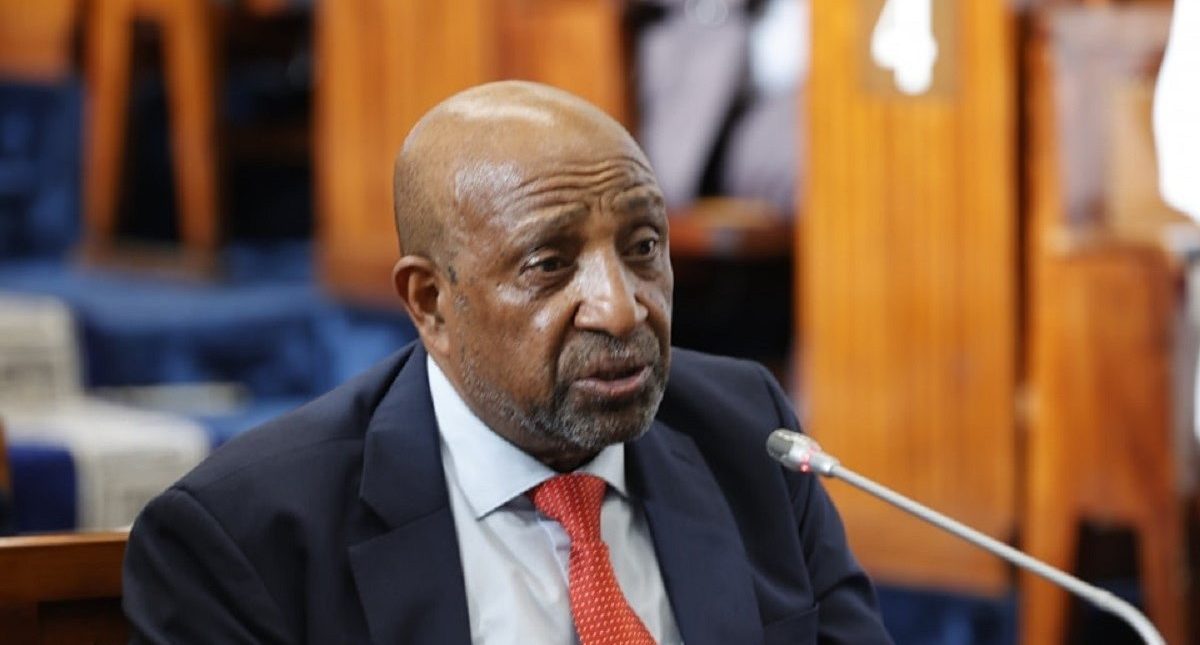
The Education Minister, Prof. Brhanu Nega, has announced plans to establish a system requiring university students to teach in various regions for one year before graduation.
On April 2, 2025, the Standing Committee on Human Resource Development, Employment, and Technology Affairs of the House of Representatives reviewed a study investigating the reasons behind poor student performance in the 12th-grade national exit exams.
The minister revealed that a program, titled “Ethiopian University Service,” has been developed to allow university students to engage with communities and apply their professional knowledge before completing their studies.
“Before entering their fourth year, students will have their basic expenses covered and will spend one year teaching in various regions to serve the community,” the minister explained.
Prof. Brhanu noted that the program could be implemented as early as next year, or by 2027 at the latest, and emphasized that it aims to give students practical experience in their respective fields of study.
Highlighting the severe shortage of over 100,000 teachers in Ethiopia, the minister stated that initiatives such as the “Ethiopian University Service” program are part of the ministry’s efforts to address the lack of qualified educators.
Prof. Brhanu also attributed the decline in students’ grades to systemic corruption among stakeholders. He pointed out that some students were unable to read by the 8th grade and referred to the national exam as a “revelation of hidden weaknesses.”
Parents, alarmed by the results of the exam, have reportedly placed greater emphasis on their children’s education, recognizing it as a reflection of societal moral and academic decline.
While acknowledging the importance of improving teachers’ living conditions, the minister explained that the country’s economic constraints make this solution challenging.
According to the Ministry of Education’s study, contributing factors to poor student performance include inadequate educational infrastructure, cuts in teacher salaries, unmotivated students, and exam mismanagement. Additional issues such as lack of access to water and electricity, low teacher competence, and poor teaching motivation were also cited.
To address these challenges, the study recommended measures such as providing compensatory education, focusing on educational management and teacher support, and implementing incentive packages for educators.
The Chairman of the Standing Committee on Human Resource Development, Employment, and Technology Affairs, Dr. Negeri Lencho, praised the study as a significant achievement. He expressed optimism that the findings could raise awareness and bring about meaningful change.
Leave a Reply
You must be logged in to post a comment.